
Thanks to Will Ross for continuing to keep us all updated with virtual meeting details for the Septuagint Seminar that started running this year at Christ Church, Oxford. See below for the last one of the Trinity term. For central time folks, 8am is when the meeting begins. Wake up, sleepy heads!
Details for the June 10 Oxford LXX Seminar
Although tomorrow (10 June) is MY last LXX seminar at Christ Church-Oxford (flying home on 13 June), it’s not the last one of the term yet (Prof. Schniedewind from UCLA comes next Wed, 17 June). But do join us tomorrow in person or remotely for Dr. Olivero’s presentation (see details below!). Once again, 8am for central time folks!
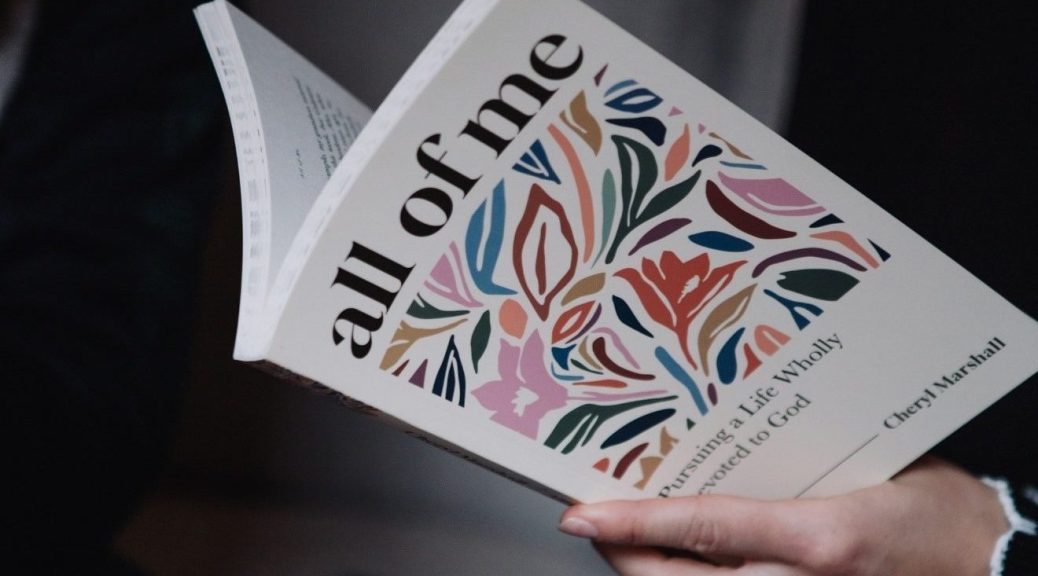
ALL OF ME by Cheryl Marshall is Now Available
What a joy to announce that All of Me releases today and is available for purchase/order at all major outlets (links to order below). While I usually post about academic things I’m involved in here, I wanted to take a detour to highlight this significant accomplishment by my wife and partner-in-life-and-ministry, Cheryl Marshall.
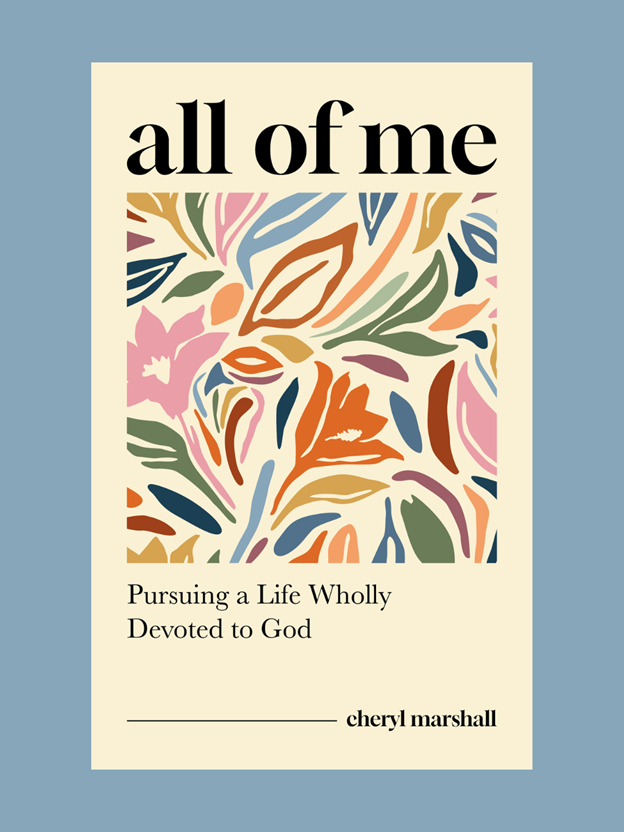
This project has been about 5 years in the making. In it, Cheryl aims to encourage women to re-orient and view their lives as willing sacrifices, wholly devoted to God in every area of life. We were created for worship and, in Christ, we have been re-created for worship. Using Rom 12:1-2 as a framework, she walks readers through why and how they should offer the totality of their lives to the Lord in worship and devotion.
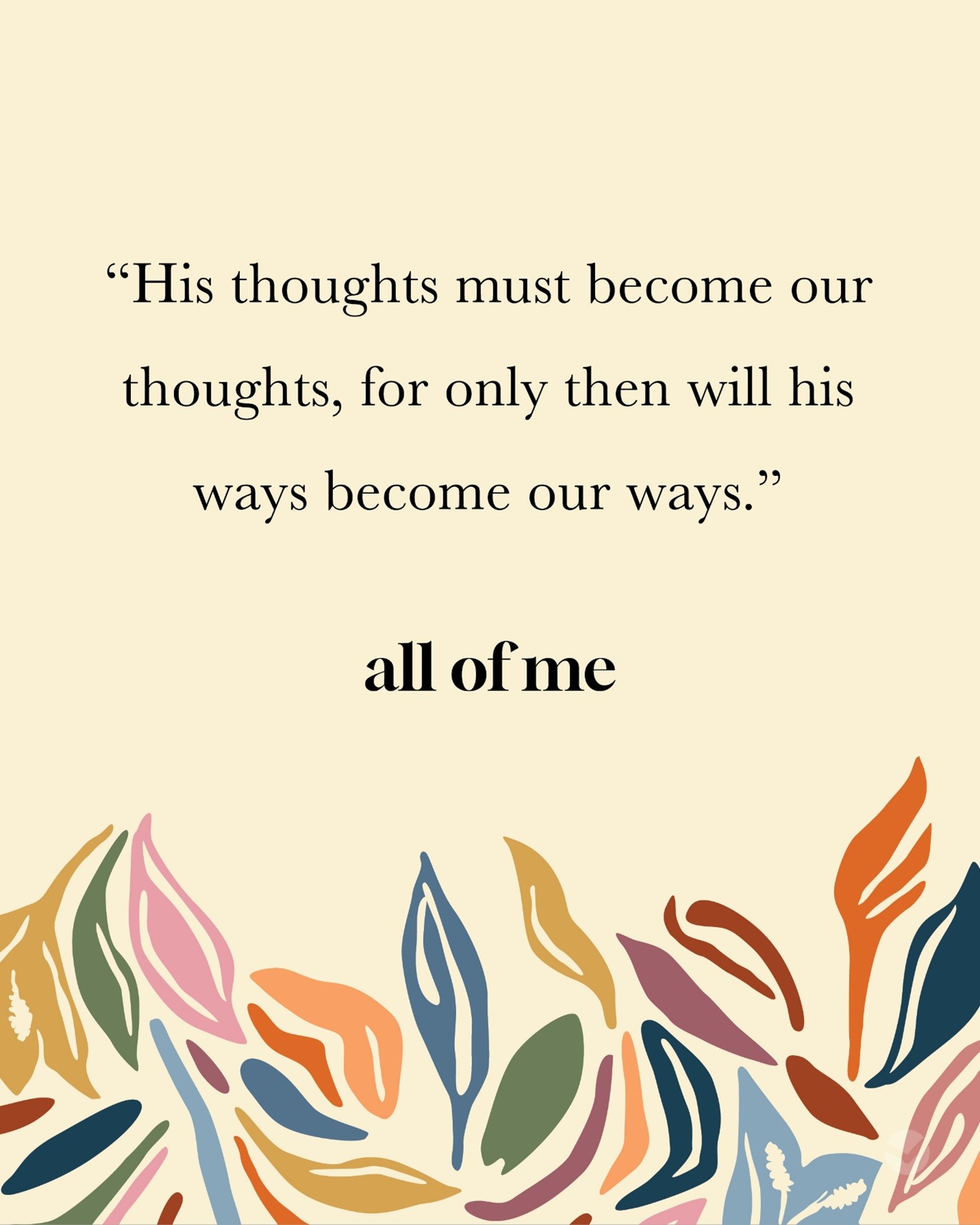
One thing I love about the book is that it seeks to help believers understand that worship, by God’s design, happens not only on Sundays in the congregation (although that is VERY important), but on Monday through Saturday during the week. Every hour, occasion, and situation–even the hard ones and the mundane ones–are tools for a life of worship to our Redeemer.
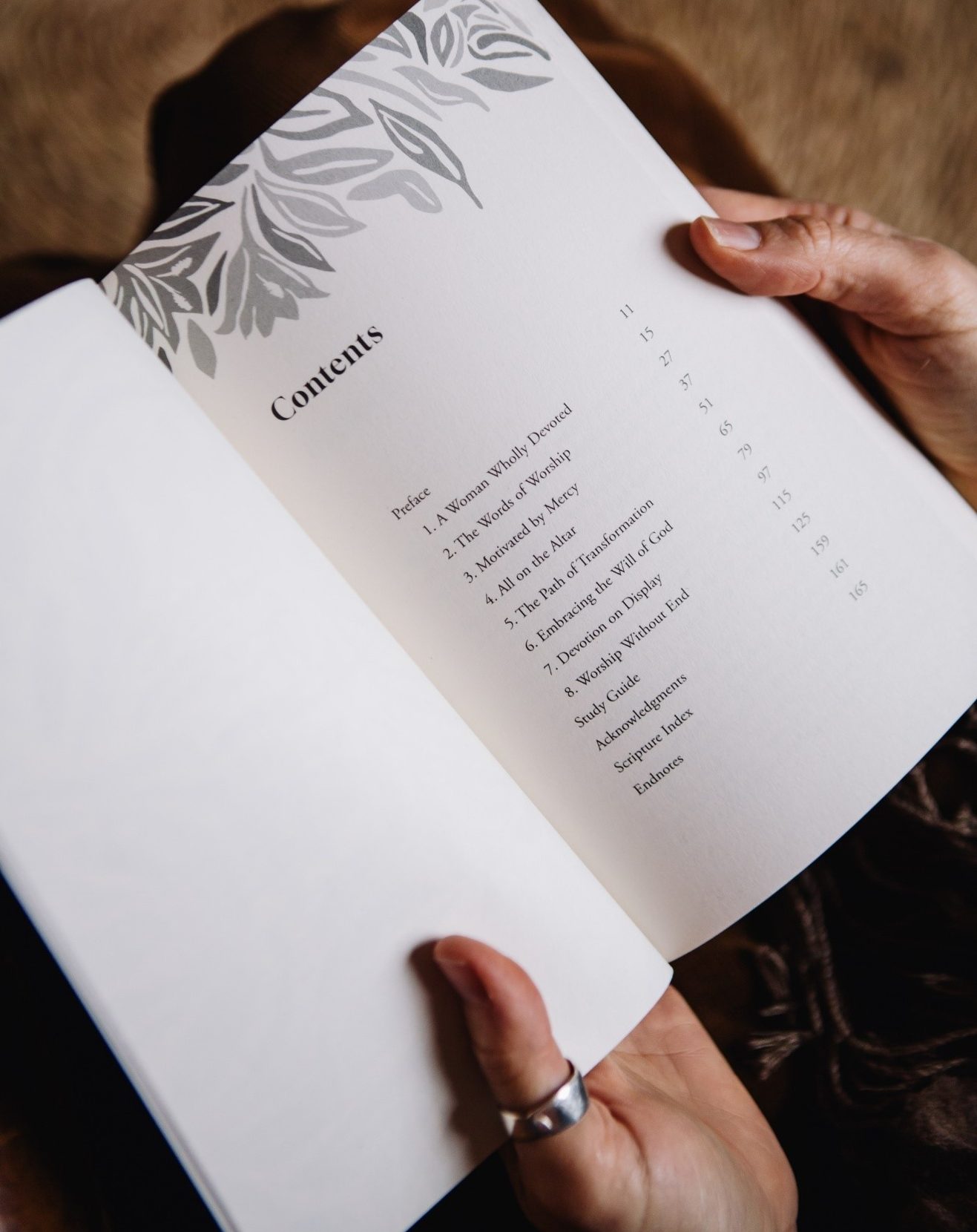
See above for the the table of contents. In each chapter Cheryl begins with a powerful, inspiring story of a woman who lived wholly devoted to God (often at great sacrifice to herself). From there she takes a short phrase from Rom 12:1-2 and explains and develops its significance and implications in a conversational but theologically rich way. One thing I should point out about All of Me–it is NOT strictly-speaking a “Bible study” on Rom 12:1-2. Rather, it is a book about whole-life worship that uses this biblical text as its guide. All of Me can be be read and studied on your own, or in a mentoring-discipling relationship, or as a group study or book club. A study guide provided in the last part of the book can be useful for personal reflection, meditation, and application–again, helpful for individual use or in group discussions. By the time you’re finished, you’ll have a richer understanding of this biblical text, but also of the concept of living the rest of your days as a whole-life worshiper of the Triune God.
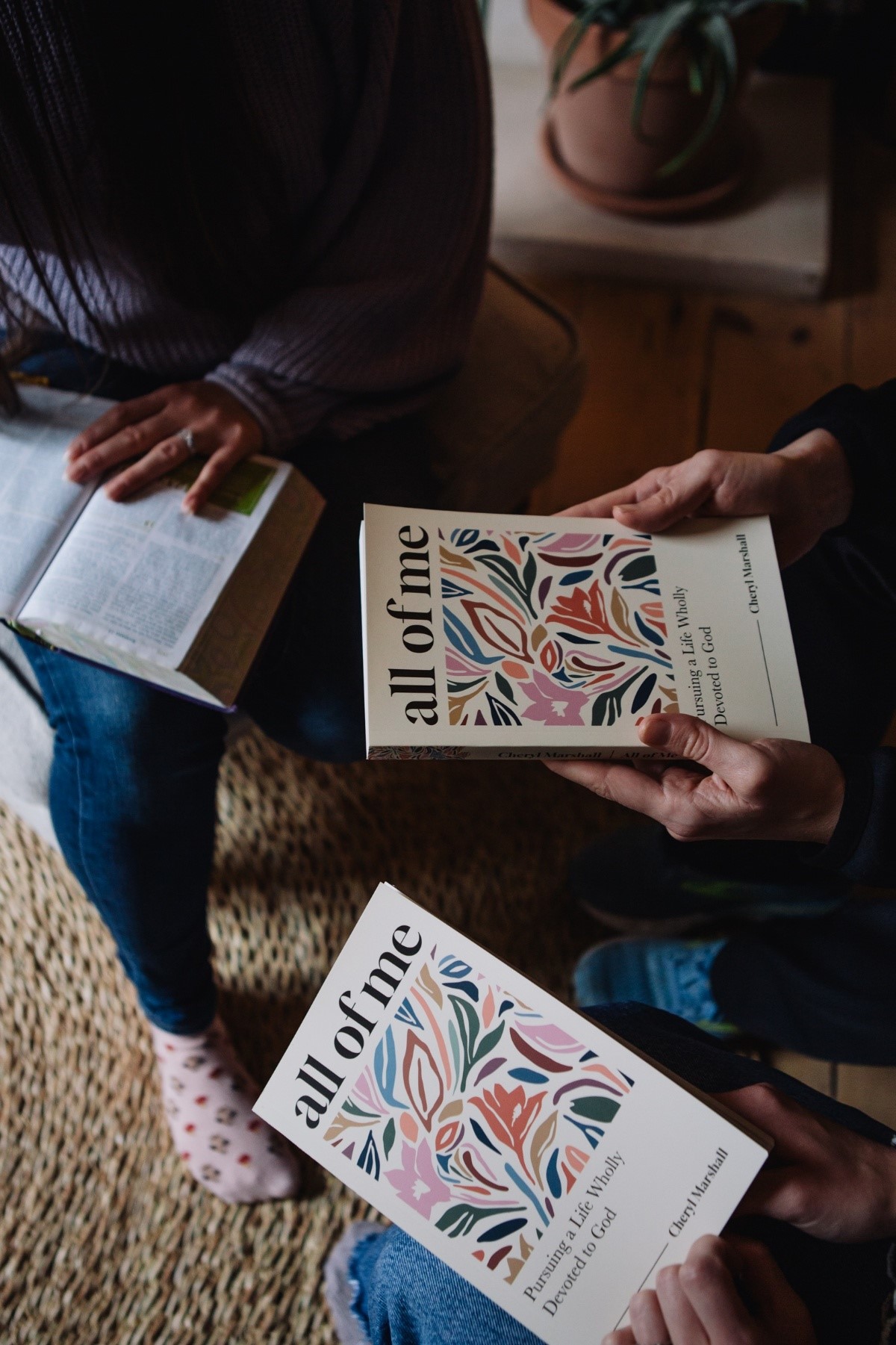
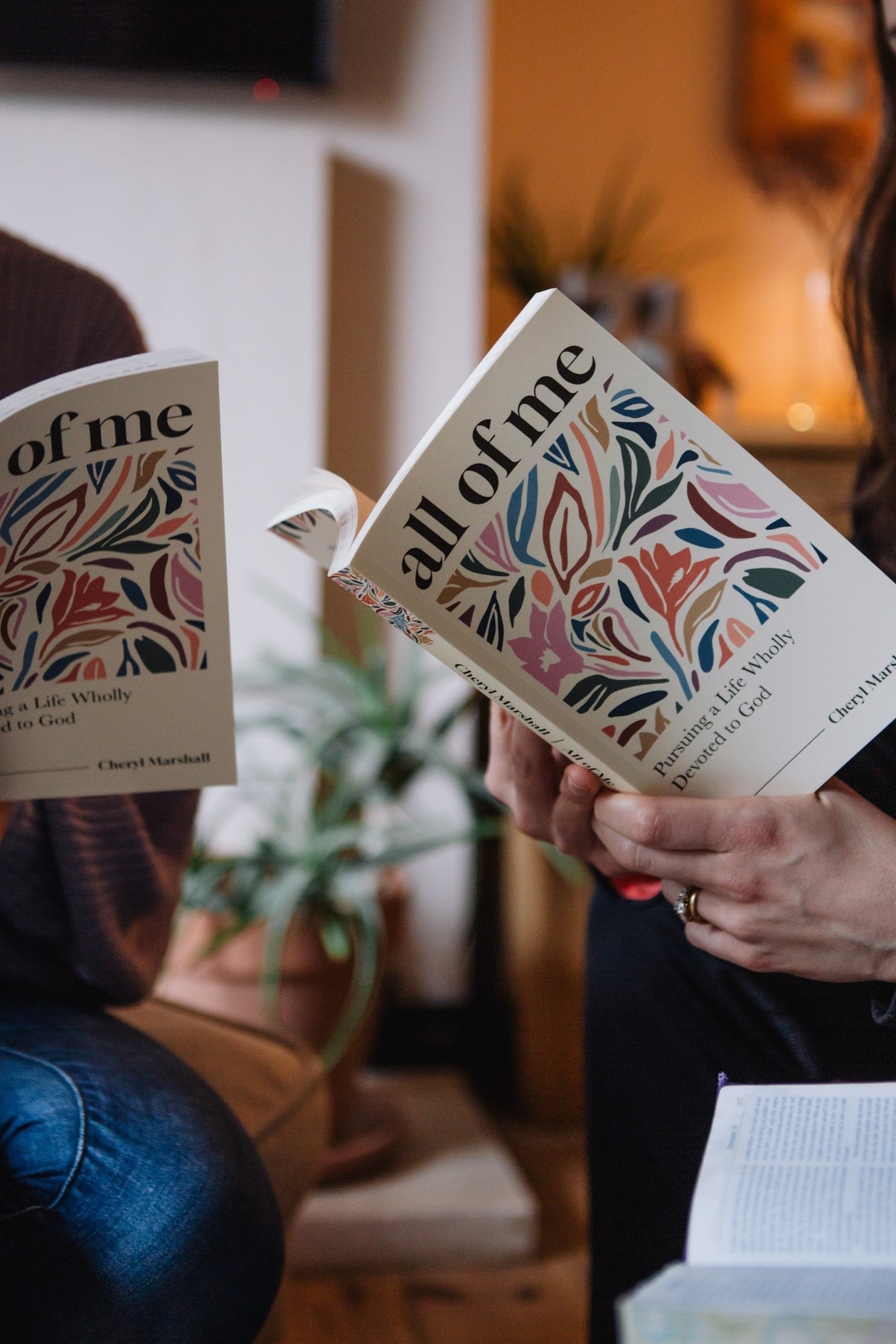
While I’m commending this new book for order (see below), let me also encourage you to make use of a few other resources from Cheryl Marshall. I’ve linked those below the order buttons. My prayer for myself, and for you as you read and/or listen to this book and resources, is that our hearts will resonate with the final verse of “When I Survey the Wondrous Cross”:
Were the whole realm of nature mine,
That were a present far too small;
Love so amazing, so divine,
Demands my soul, my life, my all.
Details for the Mar 4 Oxford LXX Seminar
Details for joining the meeting remotely by Zoom are here at the link. Of course, if you’re in or near Oxford, come in person! Dr. John Screnock from Wycliffe Hall is up next.
Remote Meeting Details for Oxford LXX Seminar
See below the details on how to join the Septuagint seminar if you are remote.
New Septuagint Seminar at Christ Church, Oxford (Wed, 2pm Jan 28, Feb 25, Mar 4, 11)
See below for Will Ross’ kind announcement about the new LXX seminar being hosted at Christ Church (one of the colleges at Oxford). There are 3 more sessions yet to be held before the end of Hilary term. I’m told that there will also be a Zoom link available if students and scholars are interested but can’t attend in person–I’ll update this post as soon as that information is known.
In Memoriam: James “Jim” Aitken

With a heavy heart I learned this morning of the passing of Jim Aitken, a fellow traveler in the field of Septuagint and, more broadly, biblical studies. Jim West posted initially about Jim’s death here, and subsequently posted the SOTS announcement here.
There will be, no doubt, many over the next week who post tributes to Jim as a first-rate scholar with an international reputation. He deserves every bit of honor and esteem that will pour forth in journal notices and social media.
Behind the scholarship and erudition, however, was a warm, witty, gracious man. I remember my first personal encounter with Jim–New Orleans (Nov 2009) during SBL. A relatively new Ph.D. into my second year of teaching at Houston Baptist (now Houston Christian University), I had presented a paper in the Septuagint & Cognate Studies section on the topic of Aramaic influence on Greek translations of the Hebrew Bible. My friend John Meade was also presenting in that session, and both of us were rather intimidated by the towering scholars of the field in the room. Afterwards, Jim came up to chat. Since I didn’t know him, I didn’t know what to expect (sometimes SBL meetings can resemble a gladiatorial bloodletting!). What I received was refreshing–warm encouragement, genuine interest in my thoughts, and time. Plenty of time. The room was filled with many important people, and Jim chose to spend time talking to me (and John), who were fairly unknown scholars trying to find our way in the world of the academy. I’ve always appreciated that first conversation with Jim.
Our paths continued to cross over the year at SBL meetings. When we finally starting graduating students from our MA in Biblical Languages program, one of our promising young graduates, Chris Fresch, decided he’d like to study Septuagint. I knew exactly who to send him to–Jim Aitken at Cambridge. I have known several now who have worked with Jim during their graduate work, and each has voiced admiration and appreciation for him.
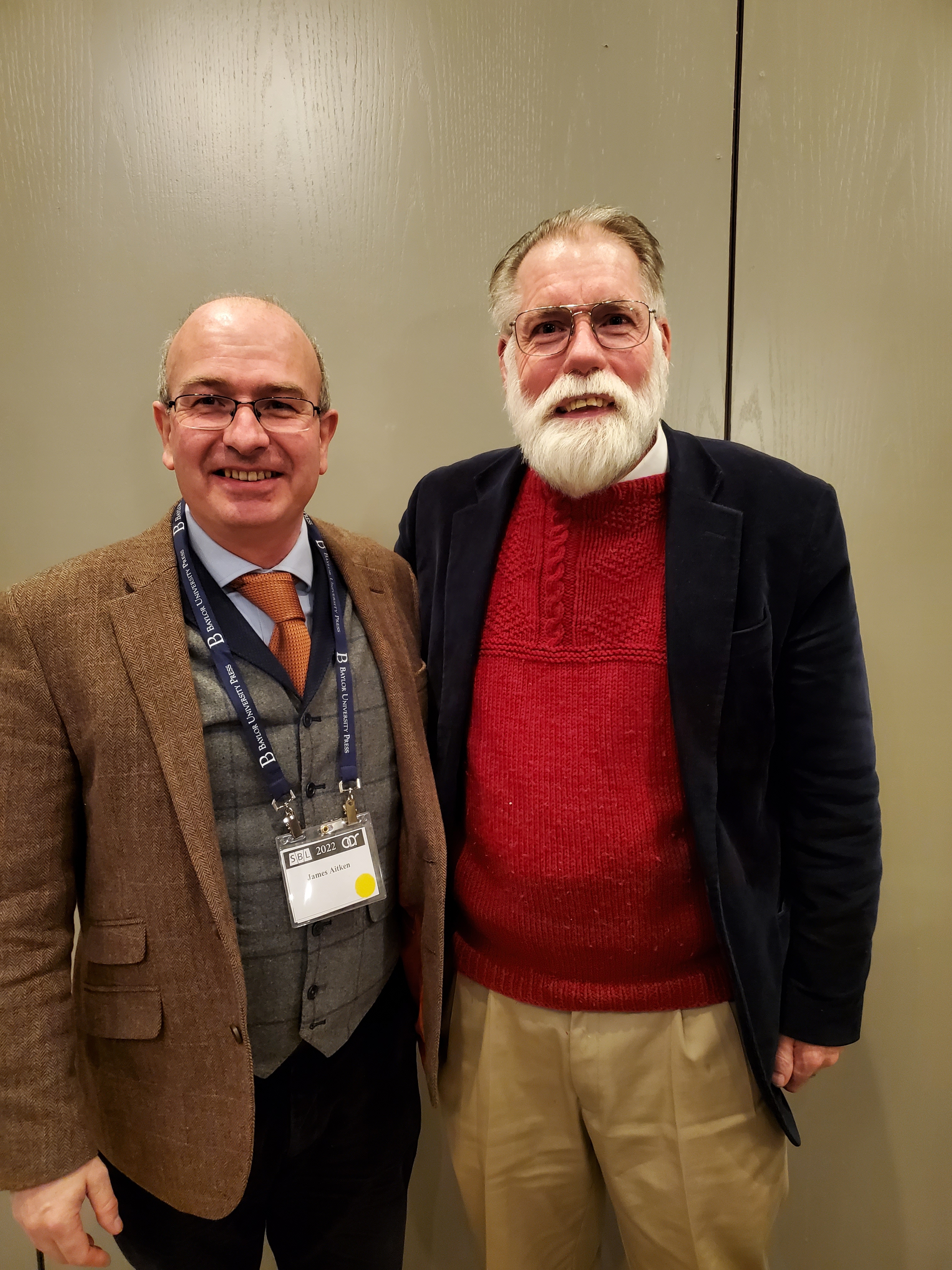
My last interactions with Jim were happy ones. During the ETS/SBL meetings in Denver last year, Jim and I happened to grab a seat together over lunch at the Zondervan luncheon. We enjoyed a nice visit at that time. What’s more, to come full circle from John Meade’s and my initial meeting with Jim together in 2009, the two of us got to see Jim last November at the Denver SBL meeting during a special dinner honoring Peter Gentry in anticipation of his Festschrift (coming out in 2023 with Peeters). Jim Aitken had graciously agreed to submit an essay for the volume, and so as editors of the volume, John Meade, Jonathan Kiel, and I were keen to have Jim there for that special dinner. Little did we all know that it would be our last meal together, so we thank our God for his kind providences. At the end of this post are some photos from that dinner celebration. One of the pictures is of Jim with Peter Gentry, and the larger photo has Jim to the right of Claude Cox, across the table from Emanuel and Lika Tov.
When I heard about Jim’s untimely death, I checked his Twitter profile just to see if there were any updates or news there on what had happened. The final post on his profile reads as follows (dated Mar 30, a week before he passed away):
I wrote 5 words yesterday, but they were all exceptionally good words. At least two (“the …of…”) will probably survive the final edits too.
As I wrap up this “good word” (eulogia/εὐλογία), I note that Jim’s life to the very end was concerned with writing exceptionally good words. May the life-long legacy of his good words continue to shape, challenge, and sharpen us, even in those areas where we might sharply disagree. That, too, would honor Jim’s life.

Chiasm in Dickens’ A Christmas Carol

I have read this delightful little book every year at Christmas time for the last several years. Sometimes I come across things I’ve missed on previous readings. This year I noticed some things that have eluded me, and I hope to discuss a few of them during the holiday break. Today I’ll share an example of CHIASM in Dickens’ novel A Christmas Carol. “What is a chiasm?” you ask. We find this little device in Hebrew studies (I teach biblical languages, FYI) and tend to associate it with poetic style, but really, chiasms can appear in poetry or prose. (They also occur outside the Hebrew Bible!) Chiasm involves structuring a series of elements in an order, followed by matching elements in an inverse order (the elements could be semantic units or grammatical units). For ex., in Hebrew poetry, a chiasm’s elements could be represented in contiguous lines as follows: a b c // c′ b′ a′ (if 3 matching elements are present), or a b // b′ a′ (if only 2 matching elements are present). Here are a few exx. from the Hebrew Bible (in English translation):
Isa 22:22
He-shall-open and no one will shut, (a b)
he-shall-shut, and no one will open. (b′ a′)
Jer 2:19
Will-punish-you your-wickedness, (a b)
And-your-apostasies will-reprove-you. (b′ a′)
(Note: in line 1, ‘your-wickedness’ is the subject, but it follows the verb-direct object in Hebrew [contrary to standard English word order]. The Hebrew word order has been preserved in translation to demonstrate the chiasm.)
What I discovered in A Christmas Carol is that Dickens employs a brilliant SIX-element chiasm toward the end of the book to characterize the ringing of the bells of the churches–particularly, to describe the way old Scrooge is NOW able to hear the church bells for the first time–as a new man–since awaking from his haunting experiences. The chiasm is preceded by the description of the ringing as “the lustiest peals he had ever heard” and is followed by the exclamation “Oh, glorious, glorious!” In other words, in the past on Christmas day “old Scrooge” had surely heard these bells ringing throughout London, but he had never heard them like he did on this first Christmas following the encounter with the 3 Spirits (as “new Scrooge”). Here is the chiasm in context:
“I don’t know what day of the month it is!” said Scrooge. “I don’t know how long I’ve been among the Spirits. I don’t know anything. I’m quite a baby. Never mind. I don’t care. I’d rather be a baby. Hallo! Whoop! Hallo here!” He was checked in his transports by the churches ringing out the lustiest peals he had ever heard. Clash, clang, hammer; ding, dong, bell. Bell, dong, ding; hammer, clang, clash! Oh, glorious, glorious!
It’s fascinating to see Dickens introducing the climax of the whole story with this literary device. I’ve read through the book numerous times but never paused to notice it. The six elements occur in one order (Clash, clang, hammer; ding, dong, bell.), followed by its inversion (Bell, dong, ding; hammer, clang, clash!), for a total of *twelve* items forming the chiasm! Notice also that the punctuation is the same in the middle of each set (a semi-colon), but the end of the chiasm is punctuated differently (with an exclamation point!).
In graduate school, if someone found a Hebrew chiasm in the Old Testament he got to wear the proverbial blue ribbon for the day. Maybe someone else has noticed this chiasm in A Christmas Carol and even commented on it somewhere, but there is something quite enjoyable about seeing on one’s own a literary feature *and* being able to enjoy it for what it is. I’m aware that not everyone likes Dickens’ prose, but I think his writing style is tremendous.
Just Released Episode 3 of “lessons in logos”!

I have just released Episode 3 in the “Lessons in Logos” series. This is the second half of a training session I did with some of our Houston Baptist University students on how to get started with Logos using a free version of the software called Logos 8 Basic. You can catch the first half of the training session at “Lessons in Logos Episode 2: Logos 8 Basic, Training Pt 1.” You should especially check out Pt 1 if you’d like directions on how to get the free version of Logos. Here’s the handout I reference in the video.
I would appreciate your sharing this with your friends through email and social media–anyone you think might be interested is using Logos Bible Software for their Bible study and academic work. Feel free to subscribe if you’re personally interested in Logos and/or other discussions on biblical languages and the text of Scripture.
To watch this on YouTube, click here.
Episode 2 of “lessons in logos” is now available!
This is just a quick announcement to let folks know that I’ve just released Episode 2 of my “Lessons in Logos” series; this is the first of two videos that constitute a training session I did at Houston Baptist University for one of our Greek classes. In particular, I gave them a quick orientation to Logos 8 Basic, a free version of Logos Bible Software that allows for some incredible searching with the Logos platform. If you have been interested in Logos but not quite ready to make a financial commitment, you can try out the software and see how you like it using Logos 8 Basic. Please watch the video to see how to download this free version.
Be sure to share this with your friends through email and social media–anyone you think might be interested is using Logos for their Bible study and academic work. I’ll be releasing the second part of the training in the Episode 3 video, probably within the week.
Fee free to subscribe if you’re personally interested in Logos, and if you know others who could benefit from the Lessons in Logos series, please share this post and the video with them, too.
For the handout that I mention in the video training, click here.

